Valley of Flowers: A Complete Planning Guide
Permits, monsoon timing, fitness requirements, and what to expect on the UNESCO-listed alpine meadow trek in Uttarakhand.
A meadow that only opens briefly
The Valley of Flowers National Park in Uttarakhand is open to trekkers for roughly four months each year — typically from June through October, with peak bloom in July and August. Outside this window, the park is closed to protect the fragile alpine ecosystem.
Monsoon is the point
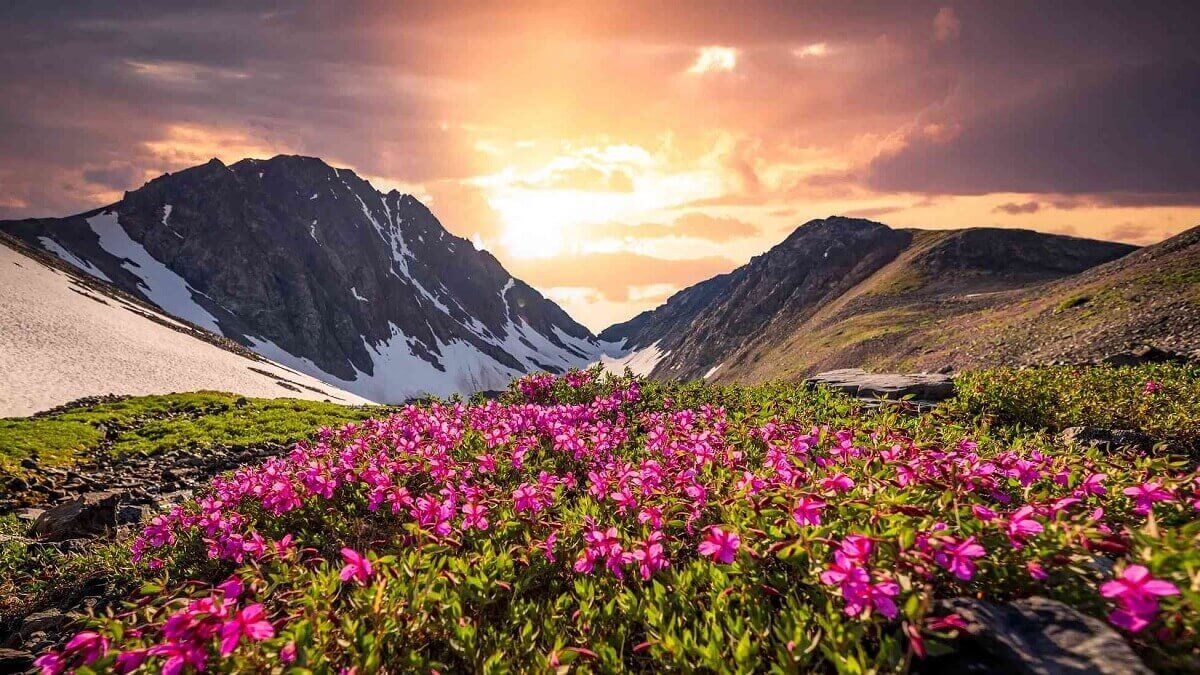
Unlike most Himalayan treks, Valley of Flowers is best during the monsoon. Rain feeds hundreds of endemic flower species — blue poppies, cobra lilies, anemones — that carpet the valley floor at 11,000 ft.
Yes, it rains. Pack a reliable rain jacket, dry bags for electronics, and quick-dry clothing. The trail from Govindghat to Ghangaria is well-maintained but can be slippery.
Fitness and altitude
The trek is graded easy to moderate. Most days involve 5–7 hours of walking. The altitude gain is gradual, which helps with acclimatisation. Hemkund Sahib — an optional extension to a glacial lake at 14,200 ft — is steeper and should only be attempted if you are feeling strong.
Permits and access
Entry permits are required and issued at the forest checkpost near Ghangaria. Carry a government-issued photo ID. The main access route runs through Joshimath and Govindghat; road conditions can vary during heavy monsoon — build an extra buffer day into your travel plan.
Planning with Himalayan Ibex
We combine Valley of Flowers with Hemkund Sahib on a 6-day itinerary, handling permits, porters, and accommodation in Ghangaria. Message us for monsoon departure dates and a day-by-day breakdown.
Keep reading