Why Small Group Treks Are Better Than Large Commercial Expeditions
Discover why small group Himalayan treks offer a safer, more personalized, sustainable, and memorable experience compared to large commercial trekking expeditions.
Introduction
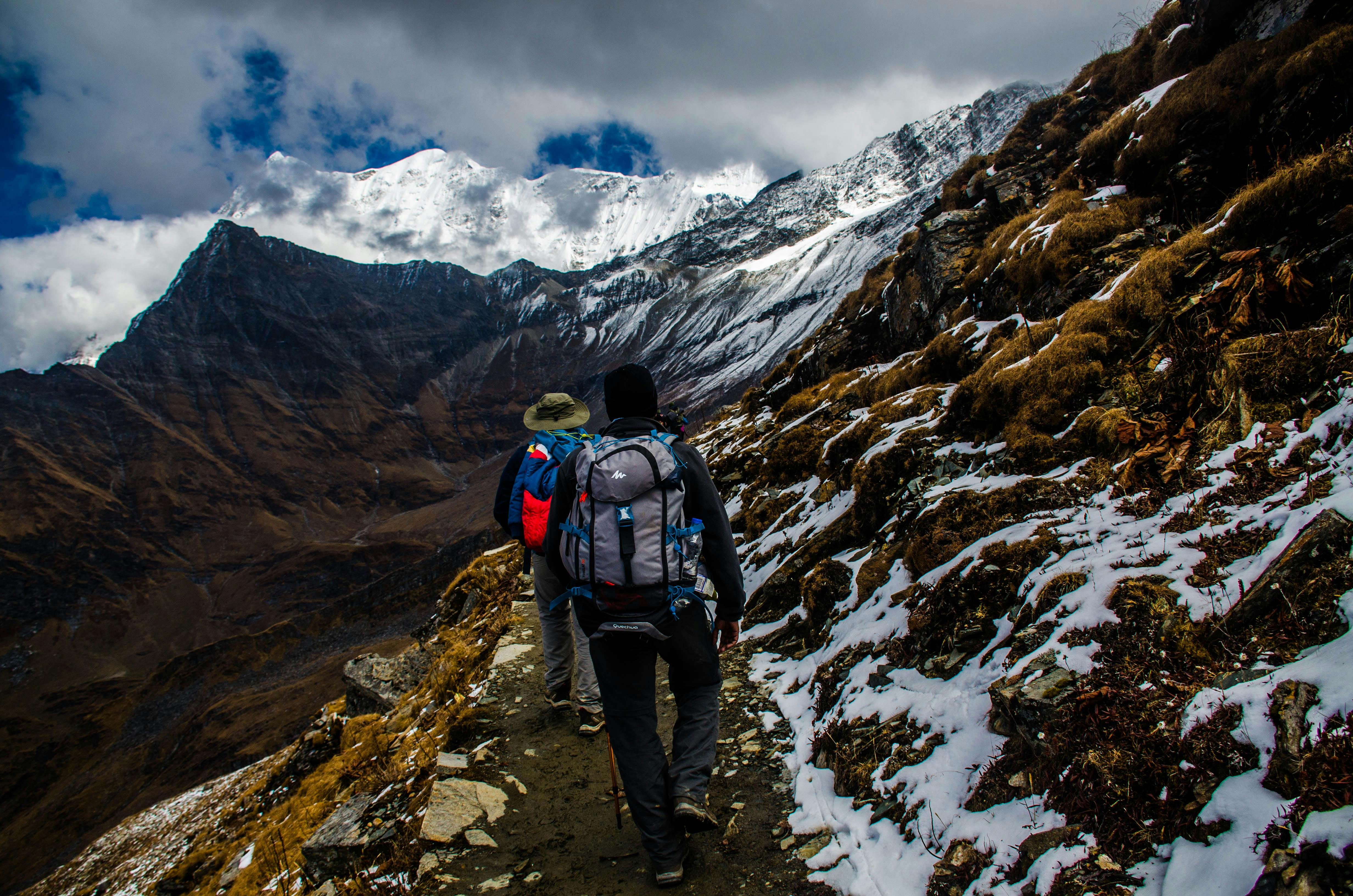
Imagine standing on a narrow mountain trail with fifty other trekkers waiting for their turn to cross a bridge. Campsites are crowded, the trails are noisy, and the peaceful Himalayan experience you imagined feels more like a tourist attraction.
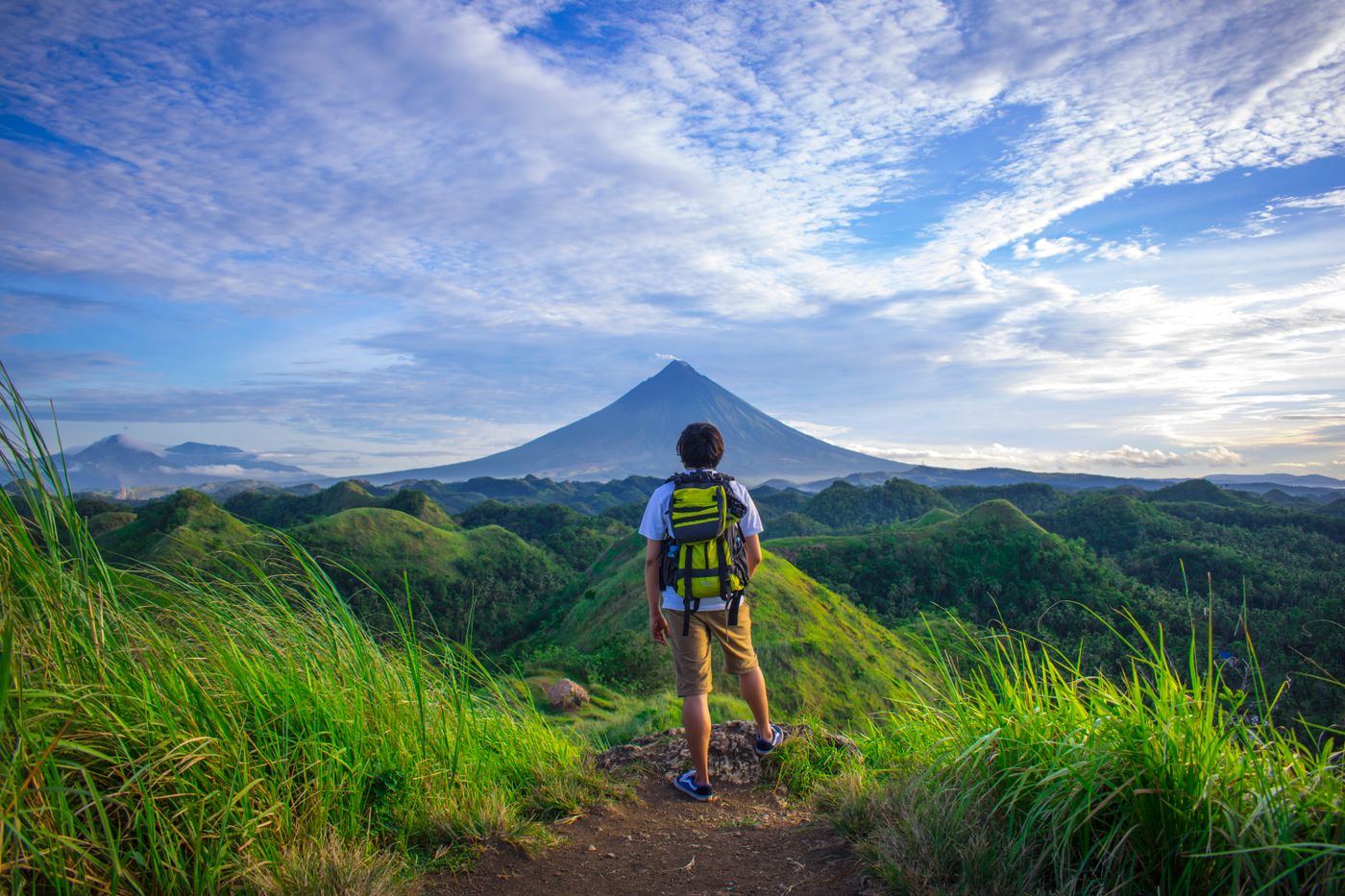
Now imagine trekking with just eight like-minded adventurers. You walk at your own pace, enjoy meaningful conversations, spend evenings around a quiet campfire, and wake up to untouched mountain landscapes with only the sounds of nature around you.
That is the difference between small group trekking and large commercial expeditions.
At Himalaya Ibex, we believe the Himalayas deserve to be explored slowly, responsibly, and in small groups. Here's why.
1. A Safer Trekking Experience
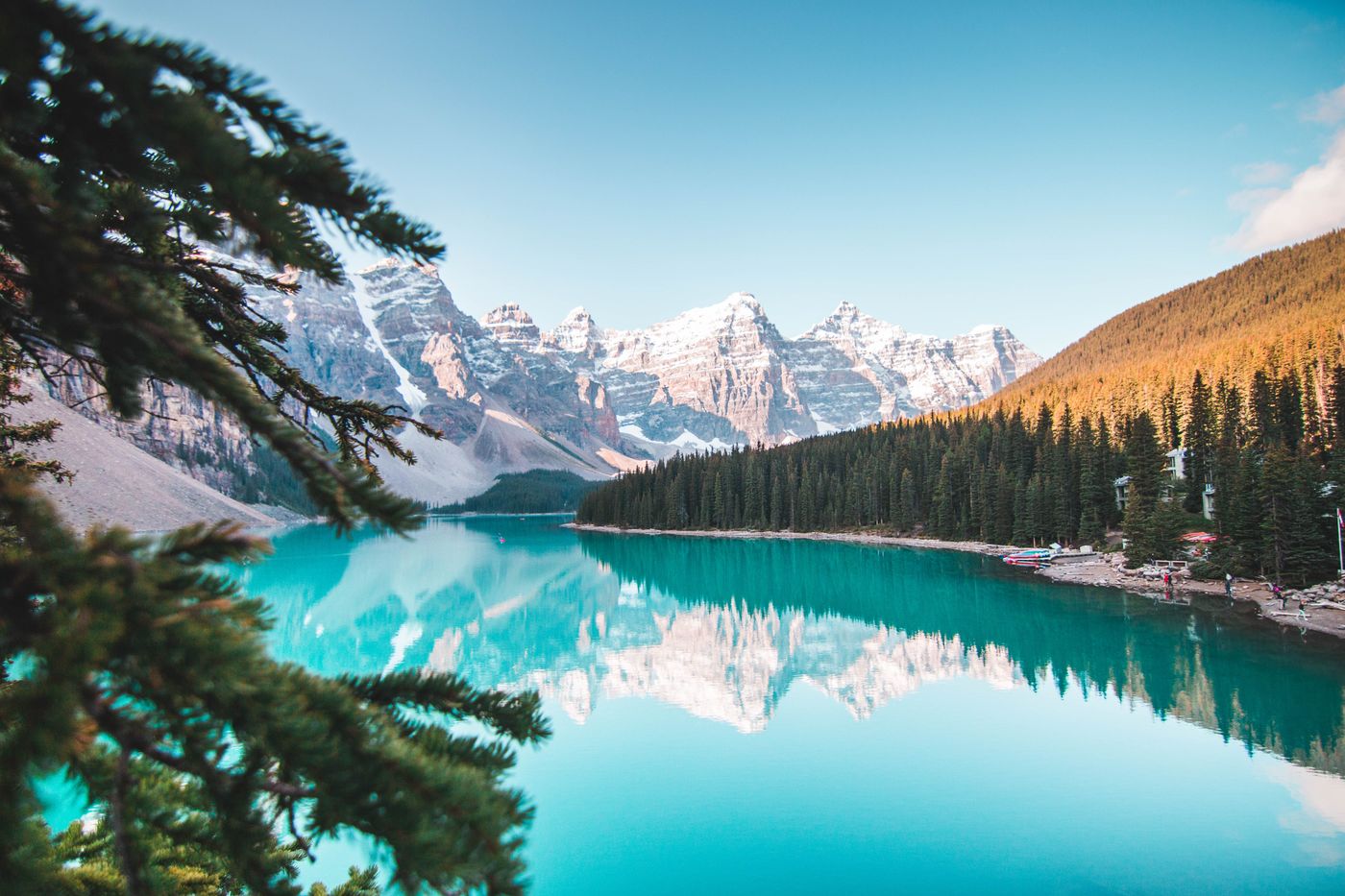
Safety should always be the highest priority in the mountains.
In smaller groups, trek leaders can:
- Monitor everyone's health more closely
- Identify early signs of altitude sickness
- Adjust the pace based on the group
- Respond quickly during emergencies
- Ensure nobody gets left behind
Large commercial groups often have dozens of trekkers moving at different speeds, making it difficult for guides to provide individual attention.
When every participant matters, everyone stays safer.
2. Personalized Attention Makes Every Trek Better
One of the biggest advantages of a small group is receiving guidance tailored to you.
Whether it's your first trek or your tenth, experienced trek leaders can help you with:
- Walking techniques
- Breathing at altitude
- Photography spots
- Wildlife identification
- Local culture
- Trekking gear advice
Instead of managing a crowd, guides become mentors and companions throughout the journey.
3. You Actually Connect With People

Many lifelong friendships begin on mountain trails.
Small groups naturally encourage:
- Shared meals
- Meaningful conversations
- Teamwork
- Storytelling around camp
- Supporting one another on difficult sections
Large expeditions often split into smaller clusters, making it harder to build genuine connections.
A trek is not only about reaching a destination—it's about the people you share the journey with.
4. Less Crowding Means More Peace
The Himalayas are known for their serenity.
Large trekking groups can unintentionally create:
- Long queues on trails
- Busy campsites
- Noise pollution
- Delays during breaks
- Congested viewpoints
Smaller groups move efficiently and quietly, allowing everyone to experience nature the way it should be experienced.
Instead of competing for a photograph, you spend more time appreciating the landscape itself.
5. Better Flexibility Throughout the Journey
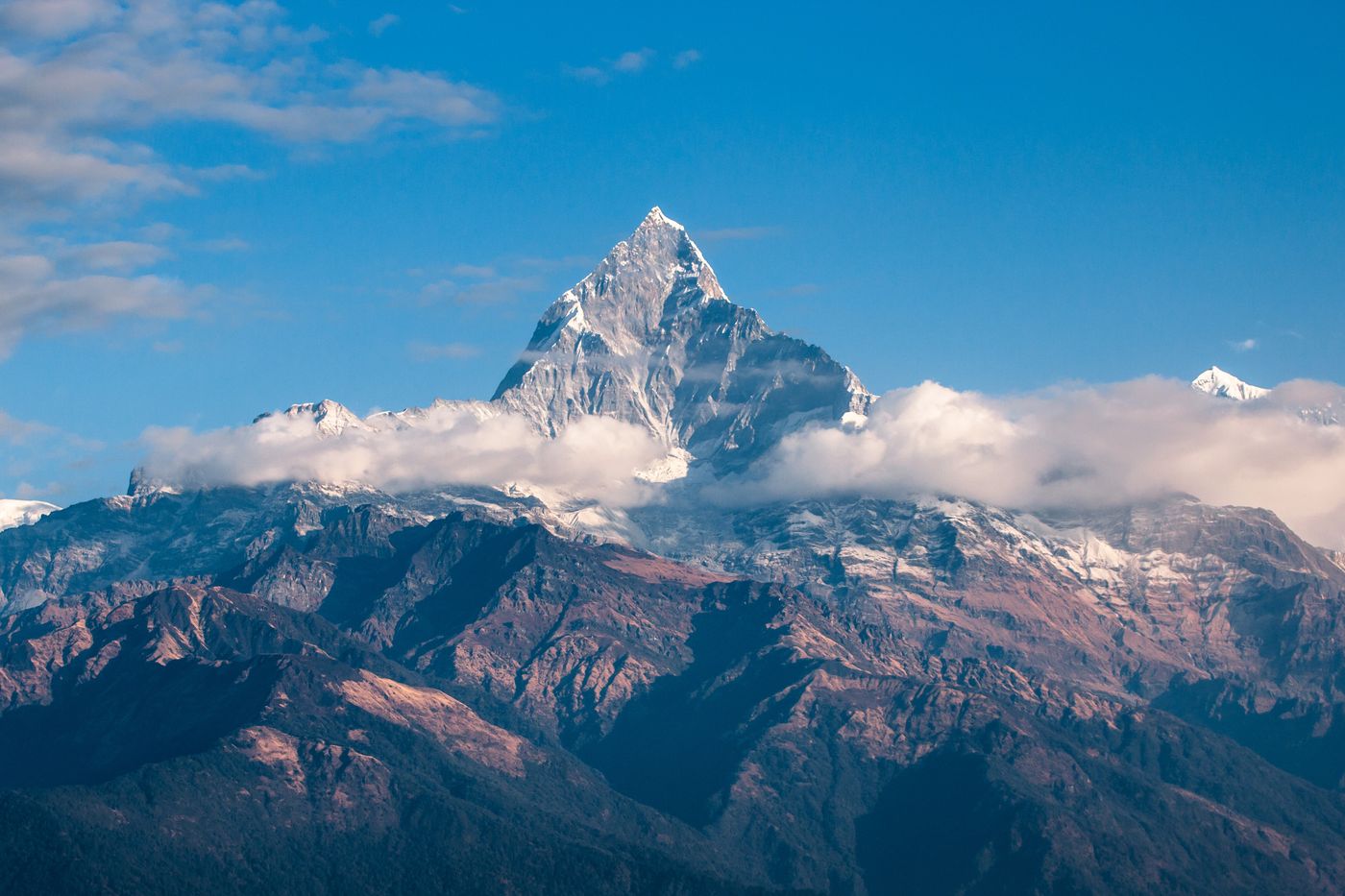
Weather changes quickly in the Himalayas.
Small groups can easily:
- Take extra photography breaks
- Adjust trekking speed
- Spend more time at scenic viewpoints
- Change lunch locations
- Accommodate reasonable requests
Large expeditions usually follow rigid schedules to keep dozens of participants coordinated.
Small groups create a much more relaxed trekking experience.
6. Lower Environmental Impact
One of the greatest responsibilities of every trekker is protecting the mountains.
Small groups naturally reduce:
- Trail erosion
- Campsite overcrowding
- Plastic waste
- Water consumption
- Noise pollution
- Wildlife disturbance
The Himalayas are incredibly fragile ecosystems.
Responsible trekking means leaving behind memories—not garbage.
7. Better Wildlife Encounters
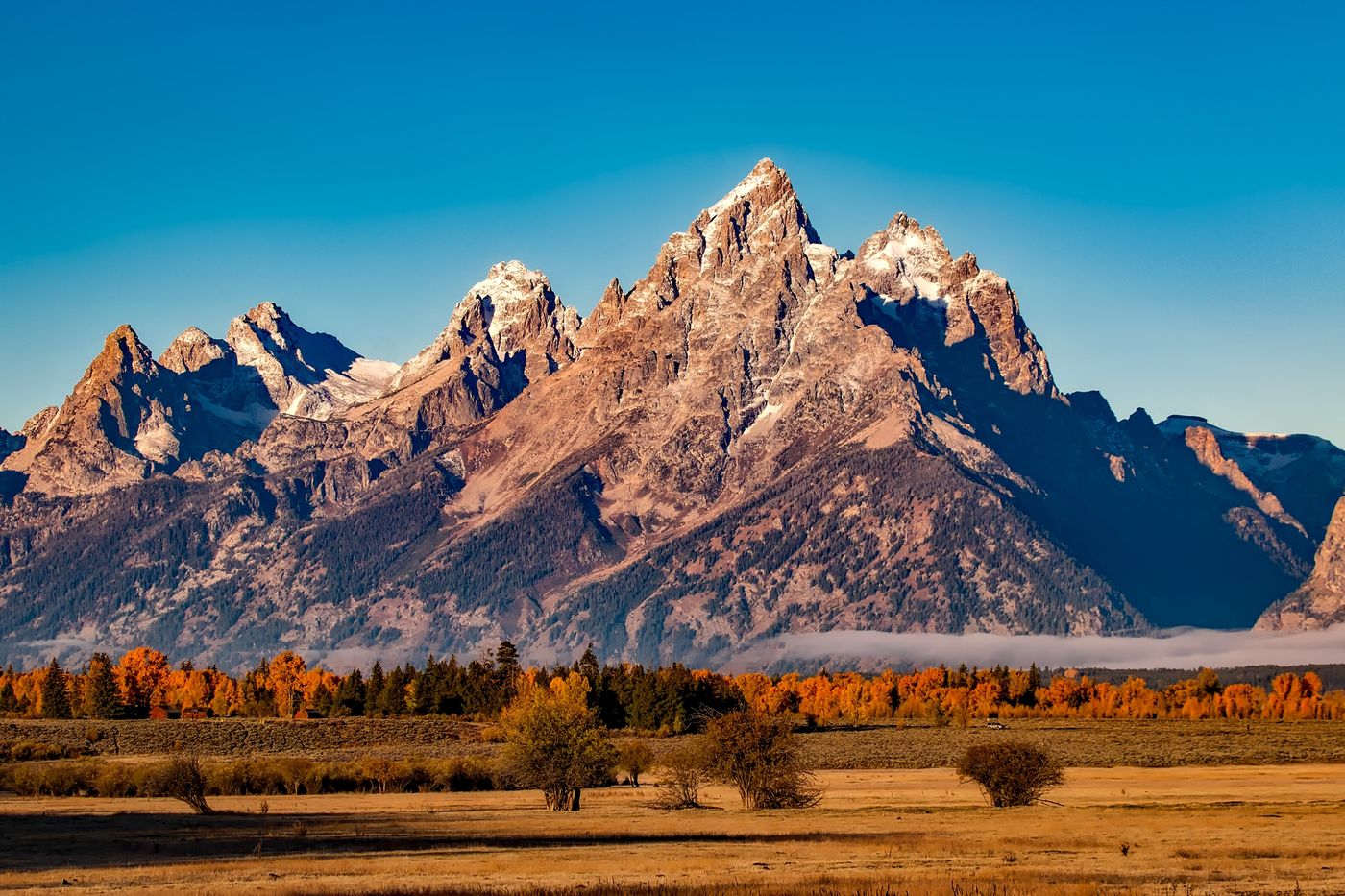
Wild animals avoid loud and crowded environments.
Smaller trekking groups have a better chance of spotting:
- Himalayan Monal
- Musk Deer
- Himalayan Griffon
- Blue Sheep
- Mountain Foxes
- Various alpine birds
Walking quietly increases the likelihood of experiencing the natural biodiversity of the Himalayas.
8. Support Local Communities More Effectively
Responsible tourism should benefit mountain communities.
Smaller trekking operators often work directly with:
- Local guides
- Homestays
- Village cooks
- Porters
- Small businesses
- Regional suppliers
This creates sustainable income while preserving local traditions and culture.
Instead of mass tourism, small-group trekking supports community-led tourism.
9. Better Learning Opportunities
Every Himalayan valley has its own stories.
With fewer participants, trek leaders have time to explain:
- Mountain ecology
- Himalayan geology
- Local folklore
- Flora and fauna
- Traditional lifestyles
- Conservation efforts
Your trek becomes more than an adventure—it becomes an educational experience.
10. More Time to Enjoy the Journey
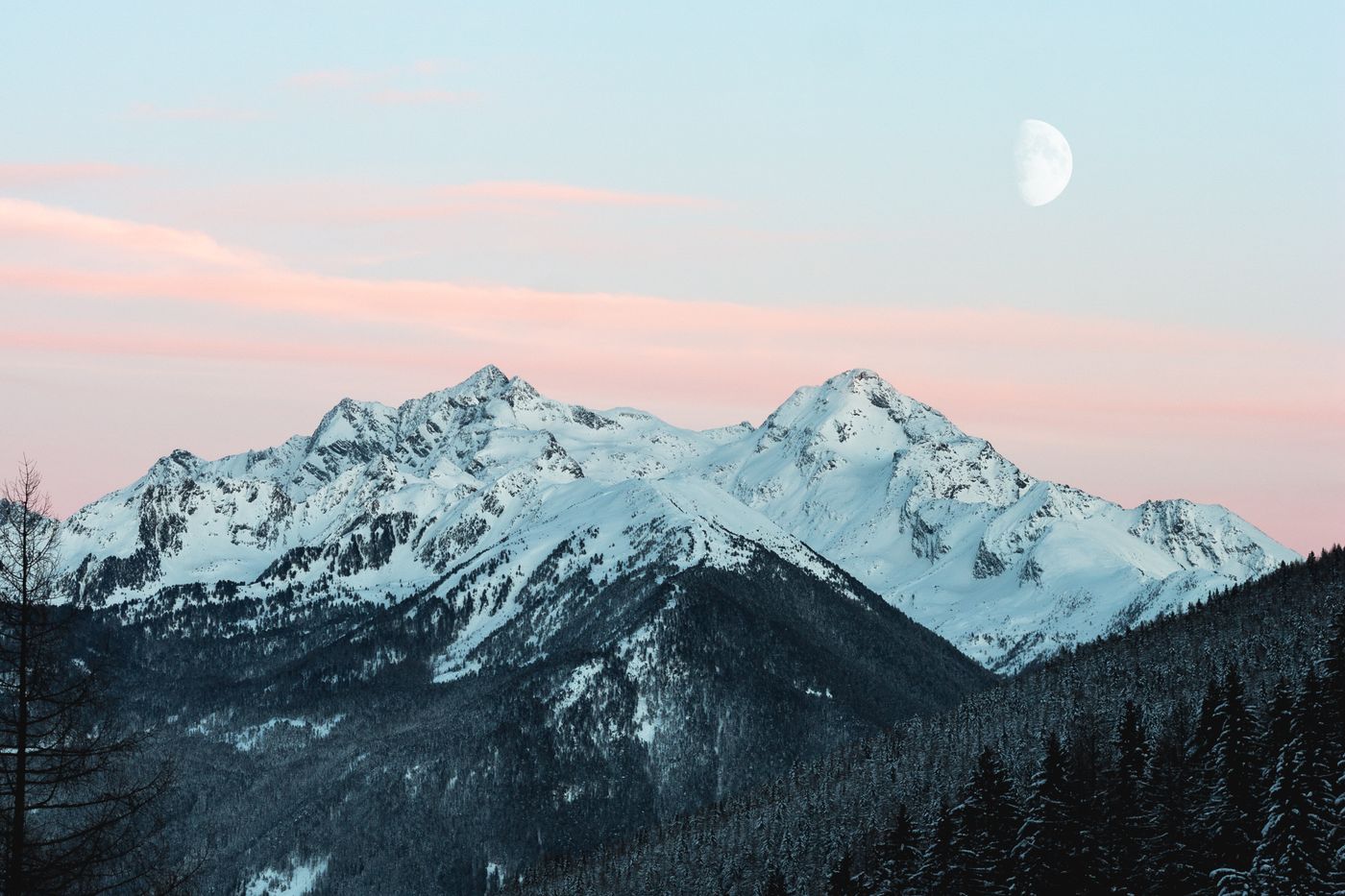
Large groups spend considerable time waiting:
- Waiting for everyone to assemble
- Waiting at campsites
- Waiting during meal service
- Waiting for photographs
- Waiting at narrow trail sections
Smaller groups spend less time waiting and more time exploring.
The mountains deserve your attention—not your patience.
Small Groups vs Large Commercial Expeditions
| Feature | Small Group Treks | Large Commercial Expeditions |
|---|---|---|
| Group Size | 6–12 people | 25–100+ people |
| Safety | High individual attention | Limited personal monitoring |
| Pace | Flexible | Fixed |
| Environmental Impact | Low | Higher |
| Photography | More opportunities | Often crowded |
| Campsites | Quiet | Busy |
| Learning Experience | Interactive | Limited |
| Social Experience | Close friendships | Larger crowds |
| Wildlife Sightings | Better | Less frequent |
Why We Choose Small Groups at Himalaya Ibex
At Himalaya Ibex, limiting group sizes isn't a marketing strategy—it's our philosophy.
We believe every trek should be:
- Safe before anything else
- Respectful of nature
- Comfortable for every participant
- Educational
- Community-focused
- Free from overcrowding
Our goal isn't to take the maximum number of trekkers into the mountains.
Our goal is to create unforgettable mountain experiences while protecting the places we love.
Responsible Trekking Starts With Every Step
The future of Himalayan trekking depends on responsible travelers.
Choosing a small-group trek helps:
- Preserve fragile ecosystems
- Reduce waste
- Support local livelihoods
- Improve safety
- Enhance the overall trekking experience
When enough travelers choose quality over quantity, everyone benefits—including the mountains.
Final Thoughts
The Himalayas were never meant to be rushed.
They're meant to be experienced slowly, respectfully, and with people who genuinely appreciate the journey.
If you're looking for meaningful conversations, peaceful trails, responsible travel, and unforgettable memories, a small-group trek is one of the best decisions you can make.
At Himalaya Ibex, we keep our groups intentionally small because we believe great adventures aren't measured by the number of people on the trail—but by the quality of the experience they share.
Frequently Asked Questions
What is considered a small-group trek?
Most small-group treks include 6–12 participants, allowing for personalized guidance and a more enjoyable experience.
Are small-group treks more expensive?
They may cost slightly more than mass-market expeditions, but the improved safety, personalized attention, and higher-quality experience offer far greater value.
Are small-group treks suitable for beginners?
Absolutely. Smaller groups are often better for first-time trekkers because guides can provide more individual support and encouragement.
Do small groups have a lower environmental impact?
Yes. Smaller groups generate less waste, create less trail congestion, and place less pressure on campsites and local resources.
Why does Himalaya Ibex limit group sizes?
We believe smaller groups create safer treks, stronger connections, better learning experiences, and help preserve the Himalayas for future generations.
Keep reading