How to Prepare for Your First Himalayan Trek
Fitness, packing, and acclimatisation essentials for trekkers heading into Uttarakhand and Himachal — from someone who has guided hundreds of first-timers.
Start with honest fitness
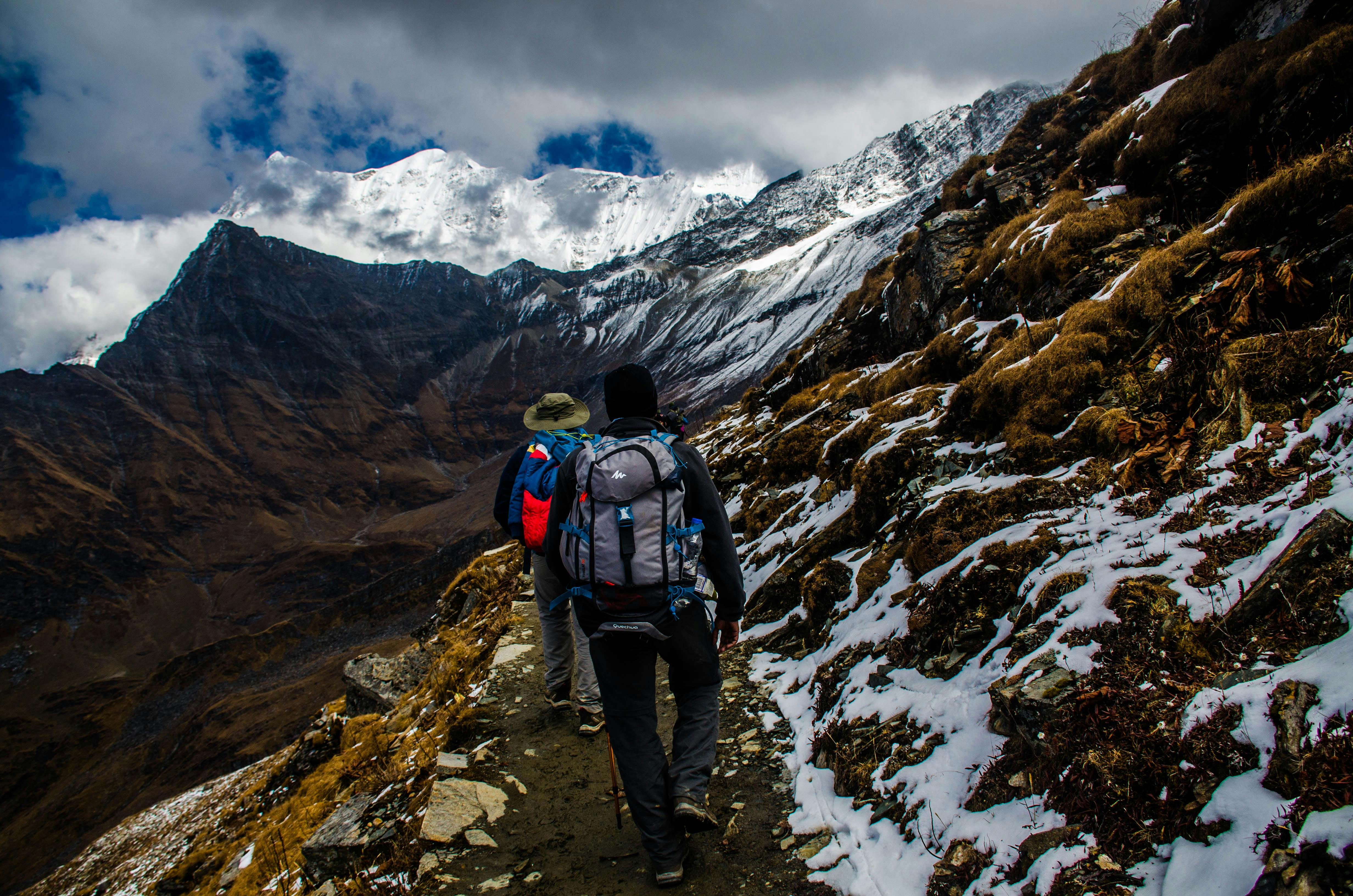
Most beginner Himalayan treks demand 4–6 hours of walking per day on uneven terrain. You do not need to be an athlete, but you should be able to climb stairs without losing your breath and walk 8–10 km comfortably on flat ground.
Four to six weeks before departure, add brisk walks with a loaded daypack. If your trek includes snow, practice in ankle-high boots.
Pack light, pack right
The golden rule on any Himalayan trail: every extra kilogram feels heavier above 10,000 ft. Focus on layers rather than bulk:
- Base layers that wick sweat
- A warm mid-layer (fleece or light down)
- A waterproof shell — mountain weather shifts fast
- Broken-in trekking shoes with ankle support
- Headlamp, sunscreen, and a reusable water bottle
Himalayan Ibex shares a detailed packing list for every departure. Message us if you want the checklist for your specific trek.
Respect altitude
Even on "easy" treks, you gain altitude quickly. Drink more water than you think you need, eat regularly, and tell your trek leader immediately if you feel persistent headache, nausea, or unusual fatigue.
We pace our groups deliberately — summit day is not a race.
Mental preparation matters
The Himalaya rewards patience. Weather delays, steep climbs, and cold mornings are part of the experience. Arrive curious, flexible, and ready to disconnect from your phone for a few days. That mindset often matters more than gym hours.
Keep reading
Related articles
Leave No Trace: How Responsible Trekkers Protect the Himalayas
Why Small Group Treks Are Better Than Large Commercial Expeditions