Beginner's Guide to Himalayan Trekking: Everything You Need to Know Before Your First Trek
Planning your first Himalayan trek? Learn about fitness, packing essentials, altitude, safety, trekking myths, and expert tips.
Introduction
The Himalayas are one of the world's greatest trekking destinations. Whether you're looking for alpine meadows, snow-covered peaks, peaceful forests, or unforgettable sunrises, your first trek can become a life-changing experience.
This guide covers everything a beginner needs to know before heading into the mountains.
Why Choose a Himalayan Trek?
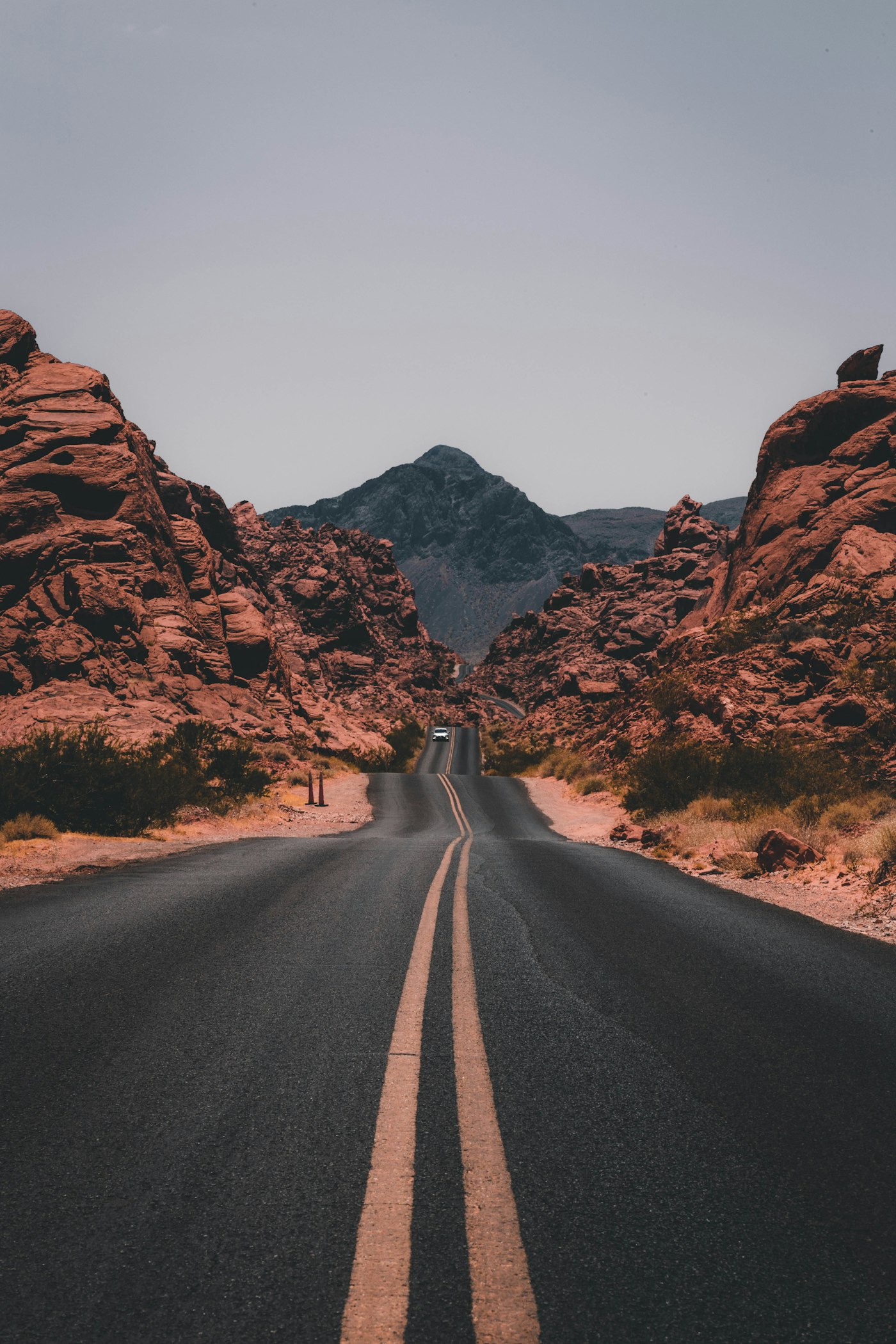
The Himalayas offer:
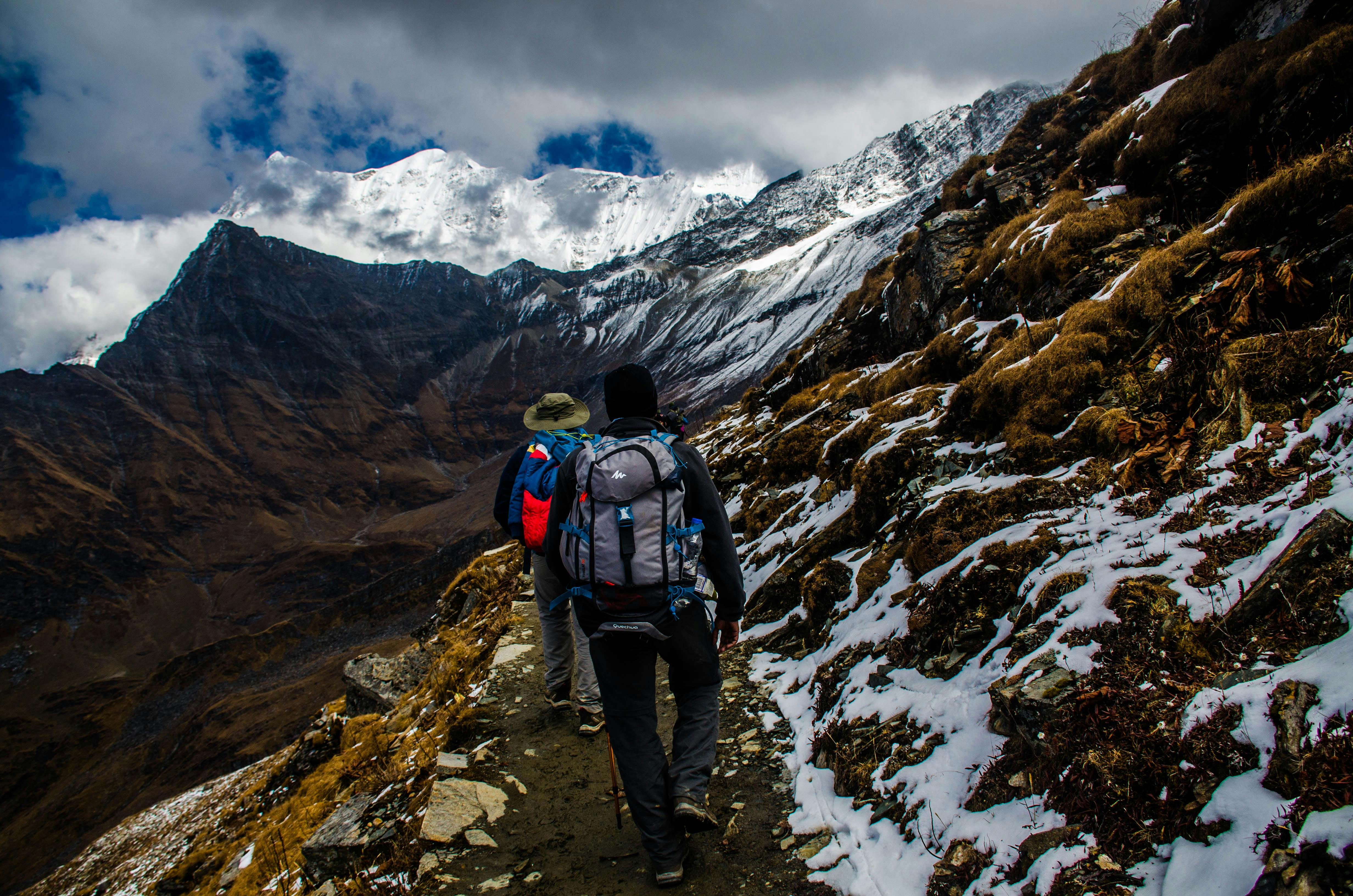
- Snow-capped mountains
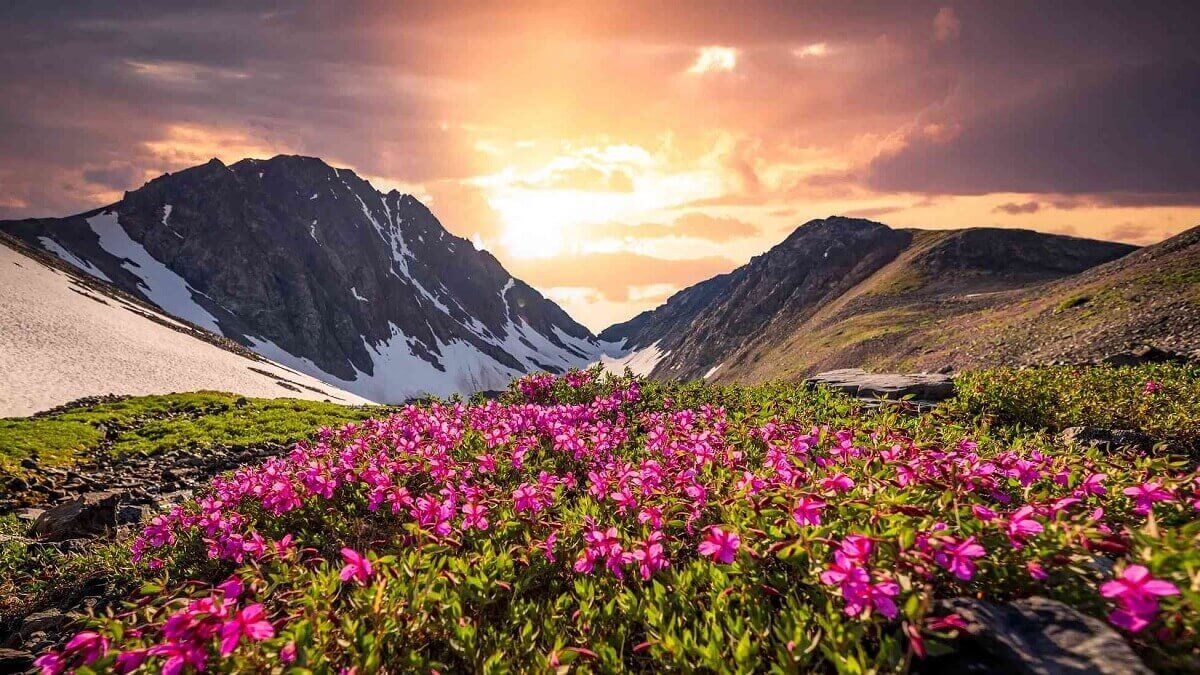
- Alpine meadows
- Crystal-clear lakes
- Dense forests
- Local mountain culture
- Incredible stargazing
Unlike ordinary hikes, Himalayan treks combine adventure, nature, and personal growth.
Is Himalayan Trekking Suitable for Beginners?
Yes.
Many Himalayan trails are specifically designed for first-time trekkers. You don't need mountaineering experience—just reasonable fitness, the right gear, and a positive attitude.
How Fit Should You Be?

Aim to comfortably:
- Walk or jog 5 km
- Climb stairs without excessive fatigue
- Carry a light backpack
- Stay active for 5–7 hours
6-Week Preparation
- Walk or jog 4–6 km
- Squats & lunges
- Stair climbing
- Weekend hikes
- Stretching and recovery
Trek Difficulty
| Level | Suitable For |
|---|---|
| Easy | Beginners |
| Easy-Moderate | First-time trekkers |
| Moderate | Fit beginners |
| Difficult | Experienced trekkers |
Packing Checklist
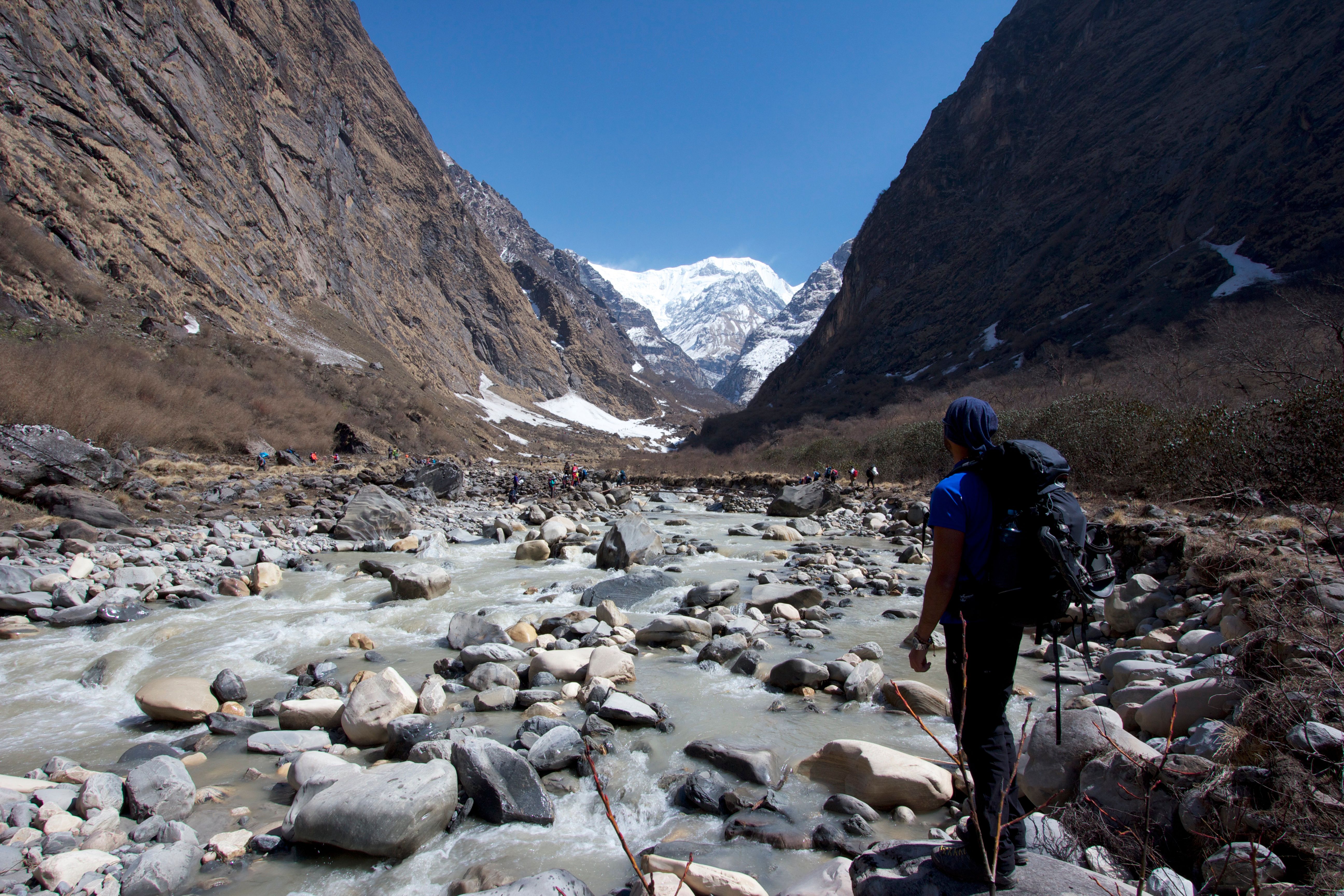
Clothing
- Moisture-wicking t-shirts
- Trekking pants
- Thermal layers
- Fleece
- Down jacket
- Rain jacket
- Gloves
- Wool socks
Gear
- Waterproof trekking shoes
- 30–40L backpack
- Rain cover
- Headlamp
- Water bottles
- Sunscreen
- Sunglasses
- Personal medicines
- Power bank
Altitude Sickness

Symptoms include:
- Headache
- Nausea
- Fatigue
- Dizziness
Prevent it by:
- Walking slowly
- Drinking plenty of water
- Eating well
- Sleeping properly
- Following your trek leader's advice
Weather

Mountain weather changes rapidly.
Dress in layers and always carry waterproof clothing.
Leave No Trace
Follow responsible trekking practices:
- Carry your trash back
- Stay on trails
- Respect wildlife
- Avoid single-use plastic
- Leave campsites cleaner than you found them
Common Myths
- You don't need to be an athlete.
- Trekking isn't only for young people.
- Expensive gear isn't mandatory.
- Trekking is challenging but enjoyable with preparation.
Safety Tips
- Stay with your group.
- Hydrate regularly.
- Wear sunscreen.
- Pace yourself.
- Inform your leader if you feel unwell.
Why Trek with Himalayan Ibex?
We believe trekking should be:
- Small groups
- Sustainable
- Safe
- Educational
- Community-focused
- Plastic-free wherever possible
Our philosophy is simple: leave the mountains better than you found them.
Final Thoughts

Your first Himalayan trek is not about reaching a summit—it's about discovering the mountains, connecting with nature, and creating memories that last a lifetime.
Ready for your first Himalayan adventure? Join Himalayan Ibex for small-group, eco-conscious trekking experiences across the Himalayas.
FAQ
Is Himalayan trekking safe?
Yes, with proper preparation and experienced guides.
What is the best season?
Spring (March–May) and Autumn (September–November).
Do I need expensive gear?
No. Good-quality essentials are enough.
Can beginners do Himalayan treks?
Absolutely. Choose an easy or easy-moderate trek and prepare well.
Keep reading