Leave No Trace: How Responsible Trekkers Protect the Himalayas
Learn the Leave No Trace principles for Himalayan trekking. Discover sustainable trekking practices, waste management, respecting local communities, and protecting fragile mountain ecosystems.
Introduction
The Himalayas are among the most breathtaking mountain ranges on Earth. Towering peaks, pristine alpine lakes, ancient forests, and remote villages attract thousands of trekkers every year. But with growing tourism comes a growing responsibility.
Every wrapper left behind, every shortcut taken across fragile meadows, and every plastic bottle abandoned on the trail leaves a lasting impact on these delicate ecosystems.
Responsible trekking isn't about doing something extraordinary—it's about making thoughtful choices that help preserve the mountains for future generations.
At Himalaya Ibex, we believe every trekker is a steward of the mountains. Following the Leave No Trace philosophy allows us to experience the Himalayas while protecting the landscapes, wildlife, and communities that make them so special.
What Is Leave No Trace?
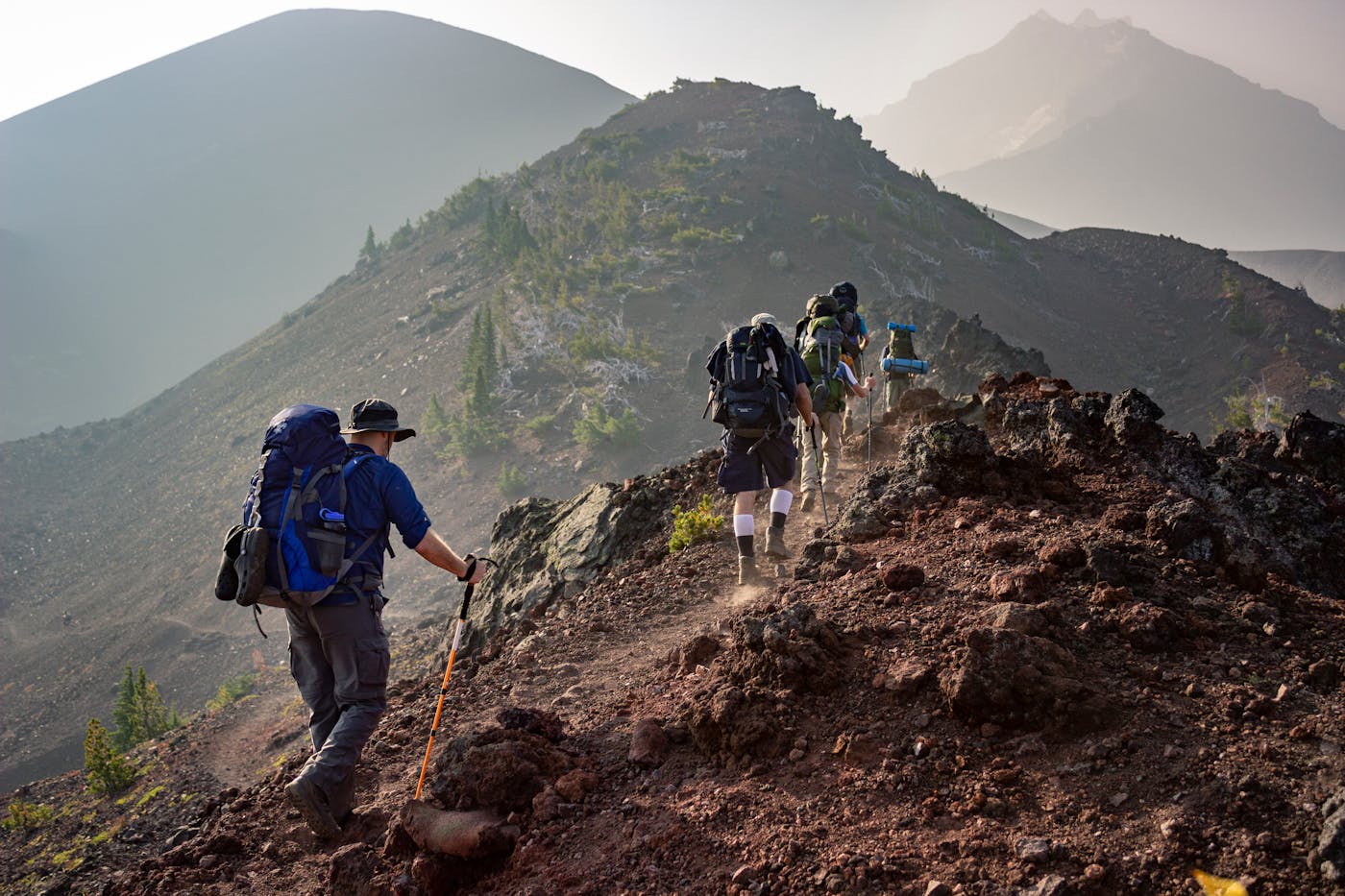
Leave No Trace is a globally recognized set of outdoor ethics that encourages people to minimize their environmental impact while exploring nature.
Its goal is simple:
Leave the mountains exactly as you found them—or even better.
The principles aren't complicated. They simply encourage trekkers to be mindful of how every action affects the environment.
Why the Himalayas Need Extra Protection
Unlike many other mountain regions, the Himalayas are incredibly fragile.
High-altitude ecosystems recover very slowly.
A single footprint across alpine vegetation can take years to disappear. Plastic waste may remain for centuries, while increased tourism puts pressure on local water sources, wildlife, and mountain communities.
Climate change is already affecting glaciers, snowfall patterns, and biodiversity across the Himalayas.
Responsible tourism has never been more important.
1. Carry Back Everything You Bring
 One of the simplest rules of responsible trekking is:
If you carried it in, carry it out.
Never leave behind:
- Food wrappers
- Plastic bottles
- Wet wipes
- Tissue paper
- Cigarette butts
- Batteries
- Disposable cutlery
Even biodegradable waste like orange peels or banana skins takes much longer to decompose in cold mountain environments.
Carry a small waste bag and pack out everything.
2. Reduce Single-Use Plastic
Plastic pollution has become one of the biggest threats to Himalayan trails.
Instead of carrying disposable items, choose reusable alternatives:
- Stainless steel water bottles
- Refillable hydration flasks
- Reusable lunch boxes
- Cloth bags
- Reusable cutlery
- Insulated coffee mugs
Small changes made by every trekker create a huge collective impact.
3. Stay on Designated Trails
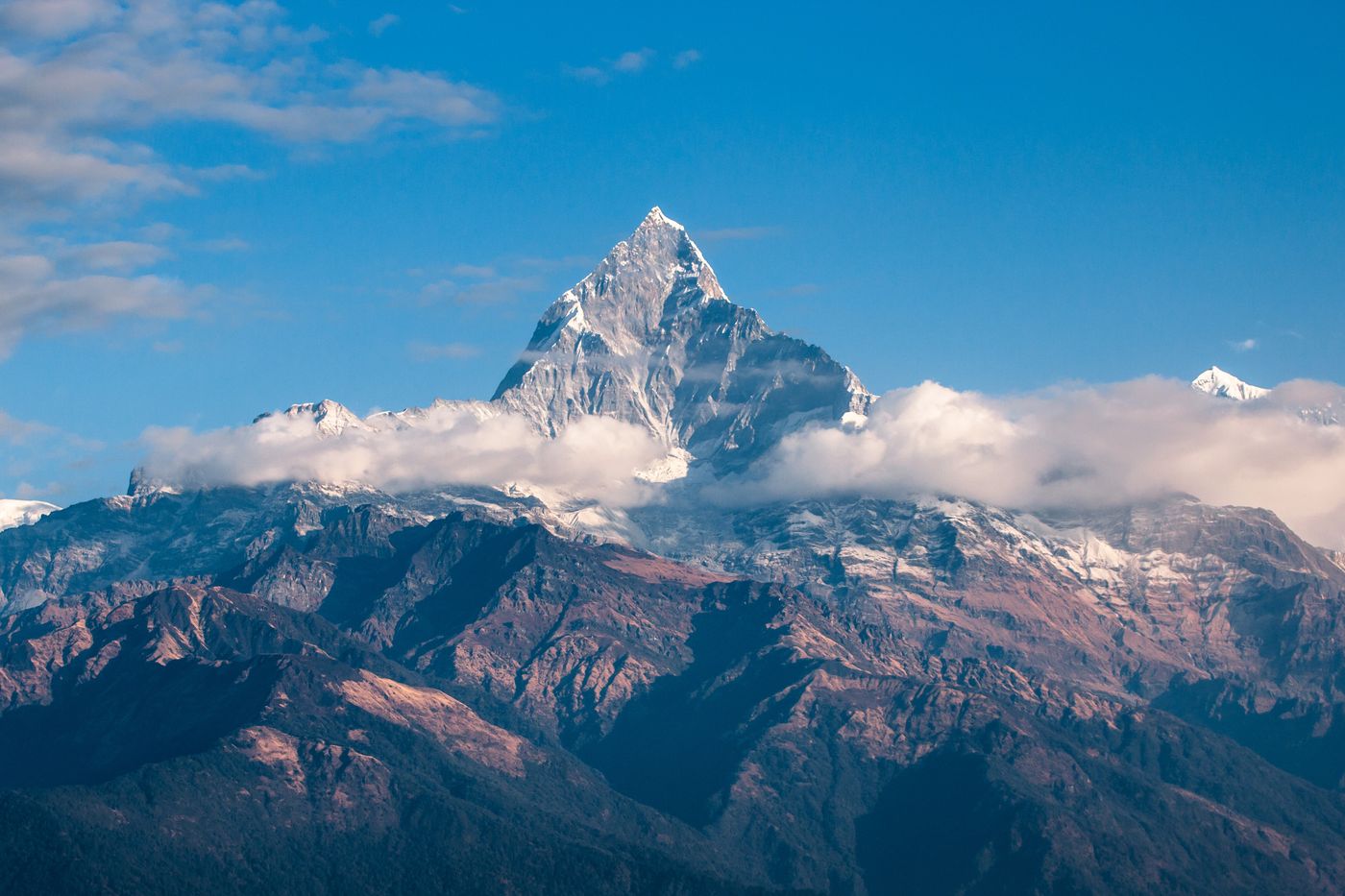
It may seem harmless to take shortcuts, but leaving established trails can cause:
- Soil erosion
- Damage to alpine plants
- Trail widening
- Habitat destruction
Always follow marked routes, even if they seem slightly longer.
The trail exists for a reason.
4. Respect Wildlife
The Himalayas are home to remarkable wildlife, including:
- Himalayan Monal
- Blue Sheep
- Himalayan Griffon
- Musk Deer
- Red Fox
- Snow Leopard in remote regions
Responsible trekkers:
- Observe animals from a distance
- Never feed wildlife
- Avoid loud noises
- Keep campsites clean
- Never disturb nesting birds
Remember, you're visiting their home—not the other way around.
5. Respect Local Communities and Culture
The Himalayas are not just mountains—they're home to diverse cultures and traditions.
Show respect by:
- Greeting local residents politely
- Asking permission before photographing people
- Dressing modestly in villages
- Supporting local businesses
- Respecting religious sites
- Learning a few local phrases
Responsible tourism strengthens local communities rather than disrupting them.
6. Conserve Water
Fresh water is precious in mountain regions.
Simple habits make a difference:
- Take short washes
- Turn off taps completely
- Avoid contaminating streams
- Use biodegradable soap only where permitted
- Never wash utensils directly in rivers or lakes
Every drop matters.
7. Camp Responsibly

A responsible campsite should look untouched after you leave.
Good camping practices include:
- Pitch tents only in designated areas
- Avoid damaging vegetation
- Keep noise levels low
- Pack out all waste
- Leave natural objects where they belong
The best campsite is one that shows no signs anyone was ever there.
8. Choose Eco-Conscious Trek Operators
Not all trekking companies operate the same way.
Look for operators that:
- Limit group sizes
- Employ local guides
- Follow waste management practices
- Avoid single-use plastics
- Educate trekkers about conservation
- Support local communities
Choosing responsible operators encourages sustainable tourism across the Himalayas.
9. Travel in Small Groups
Smaller groups naturally create:
- Less noise
- Less waste
- Less trail erosion
- Better wildlife encounters
- More meaningful experiences
They also allow trek leaders to ensure everyone follows responsible trekking practices.
Quality always outweighs quantity.
10. Leave Nature As You Found It
It can be tempting to collect souvenirs like:
- Wildflowers
- Rocks
- Fossils
- Pine cones
- Bird feathers
Leave them where they belong.
The mountains are beautiful because every visitor leaves them untouched.
Take photographs—not pieces of nature.
The Seven Leave No Trace Principles
| Principle | What It Means |
|---|---|
| Plan Ahead | Prepare properly and minimize risks |
| Stay on Trails | Protect fragile ecosystems |
| Dispose of Waste Properly | Pack everything out |
| Leave What You Find | Don't remove natural objects |
| Minimize Campfire Impact | Use established cooking methods |
| Respect Wildlife | Observe from a distance |
| Be Considerate of Others | Keep noise low and share the trail |
Small Actions That Make a Big Difference
Every responsible trekker can:
- Carry a reusable bottle
- Pick up litter left by others
- Refill instead of buying bottled water
- Support local homestays
- Avoid unnecessary packaging
- Walk quietly
- Educate fellow trekkers
- Respect local customs
None of these actions require extra effort—but together, they protect the Himalayas.
How Himalaya Ibex Practices Responsible Trekking
At Himalaya Ibex, sustainability isn't an afterthought—it's part of every journey.
Our trekking philosophy includes:
- Small group adventures
- Leave No Trace education
- Minimal plastic usage
- Responsible waste management
- Local guide employment
- Respect for local communities
- Conservation-first approach
We believe unforgettable adventures should never come at the cost of the environment.
Final Thoughts
The Himalayas have stood for millions of years, but they are more vulnerable than they appear.
Every trekker has the opportunity to protect these mountains through small, conscious choices.
Carry your waste home. Respect local cultures. Stay on trails. Choose responsible operators. Leave campsites cleaner than you found them.
When we tread lightly, future generations will experience the same untouched landscapes, crystal-clear rivers, and peaceful trails that inspire us today.
The greatest legacy a trekker can leave behind is no trace at all.
Frequently Asked Questions
What does Leave No Trace mean?
Leave No Trace is a set of outdoor ethics that encourages people to minimize their environmental impact while exploring nature.
Why is sustainable trekking important?
The Himalayan ecosystem is fragile. Responsible trekking helps reduce pollution, protect wildlife, preserve trails, and support local communities.
Can biodegradable waste be left on the trail?
No. Even fruit peels and food scraps decompose slowly in cold mountain environments and should always be packed out.
Why are small-group treks more sustainable?
Small groups produce less waste, create less noise, reduce trail erosion, and place less pressure on campsites and local resources.
How can I become a more responsible trekker?
Carry reusable gear, pack out all waste, stay on marked trails, respect wildlife and local communities, and choose trekking operators committed to sustainable tourism.
Keep reading